

Female shoppers and leaders transform duty-free retail as travel demand surges
Women now make up nearly half of all duty-free customers, reshaping buying patterns, categories, and store strategies
Female shoppers and leaders transform duty-free retail as travel demand surges
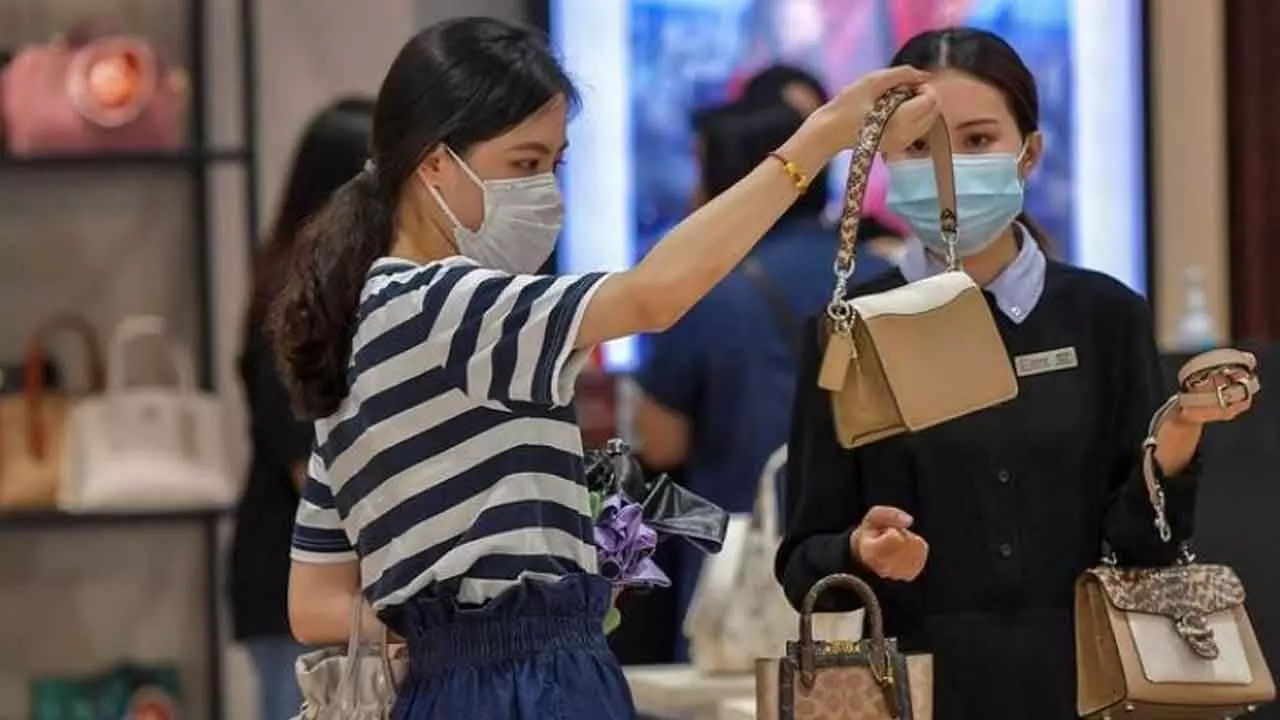
Women are emerging as one of the most influential forces in duty-free retail, driving both sales and strategic direction as global travel rebounds
Women have a significant impact on duty-free retail through their purchasing power, strong desire to shop, and role as major consumers of specific categories like cosmetics. Their influence is also growing in leadership positions, with initiatives focused on increasing female representation, mentorship, and the advancement of women's voices in the sector.
In 2025, women are a significant and growing force in duty-free retail, reflected in increased shopper numbers and a strong industry focus on leadership and inclusion. This includes a rebound in female shoppers, who now represent 49 per cent of global duty-free customers, up from 36 per cent in 2021. Companies are increasingly supporting women in leadership roles through partnerships and networks, and the market's focus on hybrid retail and technology is creating new opportunities for both employees and consumers.
Studies show that women have a stronger desire to shop in duty-free stores, are more likely to engage in impulse purchases, and are influenced by factors like perceived savings and attractive packaging. This suggests a need for retailers to cater to women's preferences and shopping motivations to maximize sales and customer satisfaction.
Women are the primary drivers of sales in certain categories. While men may focus on alcohol and tobacco, women are key consumers of cosmetics, fashion, and accessories. Research indicates that women are more prone to impulsive buying, often driven by strong buying desires and positive attitudes towards consumption.
This can be influenced by attractive product displays and offers. Women are influenced by a combination of factors, including the perception of savings, the availability of attractive offers, and the desire for quality products.
Cosmetics are the most frequently purchased category by women in duty-free shops, followed by other accessible luxury items, rather than high-end fashion or jewellery. The experience of shopping itself is important, with women showing a stronger inclination for "fun" and hedonic engagement, which can be influenced by service quality and the store's ambience.
Retailers can create more effective marketing strategies by targeting women's specific interests in cosmetics, fashion, and accessible luxury goods. Creating an engaging and fun in-store environment can appeal to women and encourage impulse purchases. This includes the role of service quality and the perceived value of the products.
Promotions that focus on appealing offers and the perceived value of products can be particularly effective for female shoppers, who are often motivated by both price and the perceived quality of duty-free goods.
Increased shopper presence: After a decline during the pandemic, female duty-free shoppers rebounded to 49 per cent of the global customer base in 2024, demonstrating continued market influence and a more balanced gender dynamic in consumer purchasing.
A shift in purchasing intent from gifting to self-use has been observed, with women potentially driving this trend in categories like beauty, wellness, and tech. The blending of online and offline shopping experiences is crucial for success, and women are part of this trend, researching online and completing purchases in-store or vice versa.
Impact on the workforce and leadership
Organisations are actively promoting women's advancement through initiatives like the WiTR+ network, which fosters community, advocacy, and mentorship for women in the travel retail sector.
Companies like Qatar Duty Free have partnered with networks like WiTR+ to reaffirm their commitment to diversity and inclusion, creating a culture that supports female leadership development. The growth of industry networks and partnerships is helping to inspire more women to rise to leadership positions, fostering a more diverse and inclusive industry overall.
As technology streamlines airport and retail operations, it is creating new opportunities for a diverse workforce, as businesses focus on both efficiency and a seamless customer journey.
Entering 2025, travel confidence remains high across key emerging markets: China leads with 88 per cent of respondents expressing strong intent to travel, followed by India at 82 per cent. Germany (70 per cent) and the U.K. (67 per cent) also show robust outlooks, while U.S. travel confidence, though lower at 54 per cent, is showing signs of stabilisation.
This optimism is translating into footfall and sales. According to Airports Council International, in 2024, global passenger traffic is expected to surpass pre-pandemic levels, reaching 9.5 billion passengers (104 per cent of 2019 levels), with international travel rebounding the fastest. Dufry Group, a leading travel retailer, reported a 12 per cent YoY increase in Q4 2024 sales, largely driven by increased spend-per-passenger, particularly in Asia and the Middle East.
The global duty-free retailing market size is estimated to grow by $22.74 billion from 2025-2029, according to Technavio. The market is estimated to grow at a CAGR of 8.3 per cent during the forecast period. Growing international tourism is driving market growth, with a trend towards a growing focus on enhancing the shopping experience of travellers. However, stringent government regulations on duty-free tobacco products pose a challenge.





